
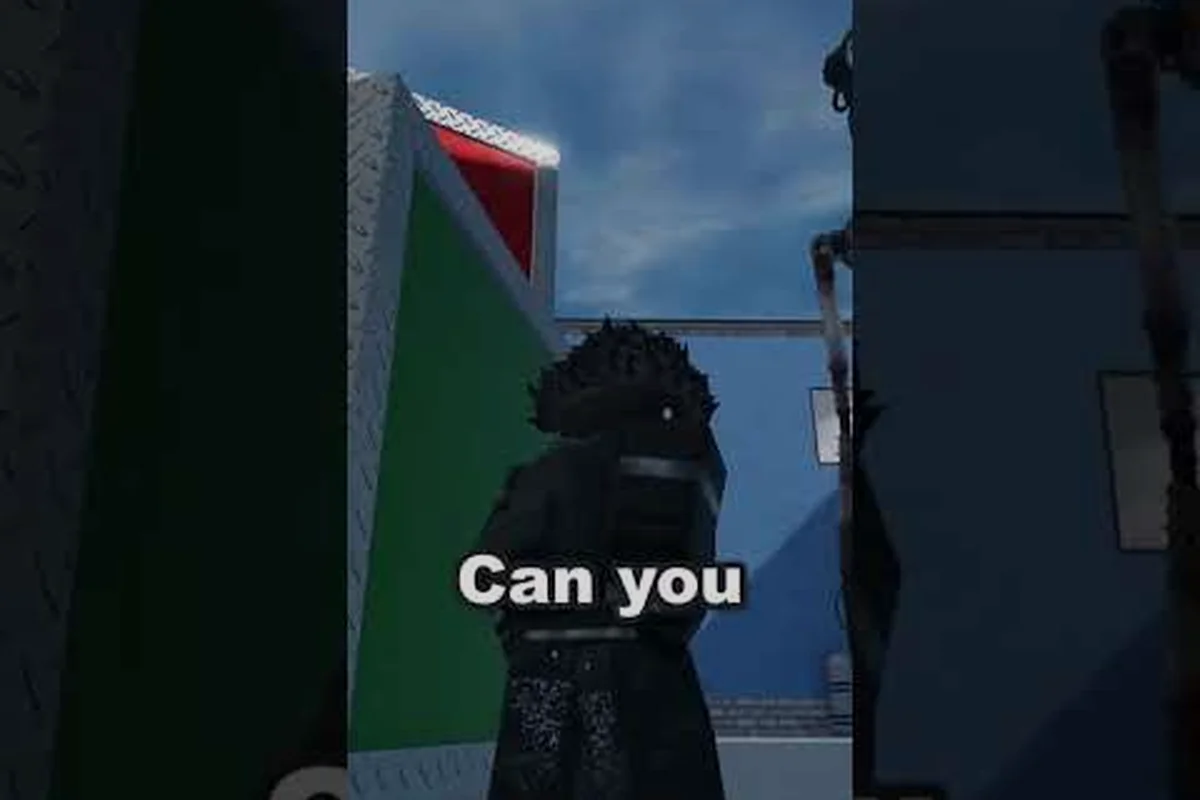
The MM2 of The Locust lore guide unlocks one of Roblox's most unsettling horror mysteries. You wake up inside The Locust's nest with no memory of how you arrived—only the primal knowledge that something ancient and predatory stalks the darkness. The atmosphere drips with dread, and every creak of the nest walls tightens the survival instinct within you. Players who have pieced together the scattered clues describe this as more than a chase; it is a narrative wrapped in paranoia, sacrifice, and questions that demand answers.
Since its launch on July 27, 2026, by the developer group THE STALKERS OG, this pre-alpha horror survival experience has accumulated over 26 million visits and drawn tens of thousands of concurrent players into its nightmare. Understanding the lore transforms a simple hide-and-seek game into something genuinely disturbing. This MM2 of The Locust lore guide covers the complete backstory, explores who The Locust truly is, examines the survivor narrative threading through the nest, and evaluates the community's leading theories about what lies beneath the surface.
The Locust's Nest: A Complete Setting Breakdown
| Update | Date | Key Details |
|---|---|---|
| Initial Launch | 2026-07-27 | Pre-alpha version released; core 1-vs-All horror survival gameplay active |
| First Major Patch | 2026-08-31 | Bug fixes applied; new equipment powers and upcoming maps teased |
| Development Span | 35 days | 24,106+ group members engaged; 26.3M+ total visits recorded |
The entire horror experience unfolds within a single, claustrophobic environment known as The Locust's nest. Unlike conventional Roblox horror games that rely on shifting maps or multiple rooms, the nest functions as a living organism that contracts and expands around its prey. Players report that the walls seem to breathe, the ceiling sags with organic matter, and corridors rearrange subtly when attention drifts elsewhere. This persistent, unchanging yet unpredictable setting creates psychological tension that other games struggle to replicate.
The nest operates on a brutal 1-vs-All asymmetric design where one player transforms into The Locust killer while the remaining participants become survivors desperately attempting escape. Each round begins identically: survivors materialize without equipment or weapons inside the belly of the beast, armed only with stealth, agility, and the hope of reaching an exit point. The Locust spawns with heightened senses and superior speed, hunting through the winding passages with frightening efficiency. This design means the environment itself becomes both jail and hunting ground, blurring the line between location and antagonist.
Community analysis has identified several distinct zones within the nest structure, each contributing different elements to the overall lore. The spawning chamber resembles a cocoon-like space where survivors regain consciousness, suggesting biological rather than architectural origins for the facility. Connecting corridors twist and branch unpredictably, creating natural chokepoints where The Locust can intercept fleeing survivors. Hidden alcoves scattered throughout provide temporary refuge, though no hiding spot guarantees safety when the predator draws near.
| Nest Zone | Survivor Function | Lore Significance |
|---|---|---|
| Spawning Chamber | Initial awakening point | Suggests forced implantation |
| Primary Corridors | Navigation pathways | Mimics digestive tract geometry |
| Hidden Alcoves | Stealth refuges | Potential prey storage chambers |
| Exit Threshold | Escape objective | The only known escape route |
The nest's visual design draws heavily from biological horror tropes, combining insectoid structures with mammalian decay. Web-like filaments coat surfaces, pulsating membranes serve as doors, and organic bioluminescence provides dim, sickly illumination throughout. This aesthetic reinforces the central question haunting every player: is The Locust a creature, a curse, or something far more complex that defies simple categorization?
Who Is The Locust? Identity and Origins Explored
Determining who or what The Locust is remains the central mystery driving player engagement with this horror experience. The developers at THE STALKERS OG have deliberately obscured the monster's origins, allowing community speculation to fill narrative gaps. From a gameplay perspective, The Locust functions as the sole antagonist—a relentless hunter that cannot be reasoned with, outrun indefinitely, or defeated through conventional combat. The lore suggests something far more interesting than a simple monster role.
Evidence scattered throughout the nest environment points toward The Locust being a transformed human rather than a purely supernatural entity. Survivors have noticed that The Locust moves with an unsettling familiarity, navigating the twisting corridors as if it designed them itself. This intimate knowledge of the space implies either constant habitation over extended periods or a consciousness that existed before the nest took its current form. Some players theorize that The Locust was once a survivor who failed to escape, consumed by the nest's biological processes and repurposed as its guardian.
The creature's physical appearance reinforces theories about its humanoid origins. Despite its elongated limbs and predatory posture, certain proportions match human anatomy too precisely for coincidence. Glowing eyes set in a face that might once have been recognizable haunt players who notice them. The Locust does not speak, but its behavior patterns—patrolling, cornering prey, displaying dominance—suggest retained intelligence beneath the monstrous exterior. Whether this represents genuine consciousness or purely instinctual predation remains debated within the community.
Multiple community theories attempt to explain The Locust's existence. The Transformation Hypothesis posits that the nest selects certain survivors for conversion, maintaining The Locust as a renewable resource rather than a singular entity. The Guardian Hypothesis suggests The Locust protects something precious within the nest's depths, eliminating intruders to preserve whatever lies at the heart of the structure. The Hive Mind Hypothesis argues that The Locust is merely one expression of the nest itself, a focal point for the collective organism's will. Each theory aligns with different pieces of environmental storytelling, yet THE STALKERS OG has confirmed nothing officially.
The Survivor Story: Awakening Inside the Nightmare
Every round of MM2 of The Locust begins with the same jarring transition: consciousness returning inside absolute darkness, followed by the slow realization that you are not alone. The survivor narrative follows no explicit character development or dialogue system, yet players consistently report feeling genuine emotional investment in their survival odds. This achievement stems from environmental storytelling that rewards attentive observation and the universal human fear of being hunted.
The official game description states simply: "You've found yourself in the Locust's nest. Will you manage to escape?" This phrasing deliberately leaves critical questions unanswered. How did you arrive? Why were you chosen? Are others still alive beyond the nest's walls? The absence of exposition forces players to construct their own interpretations, creating personal connections to outcomes that would otherwise feel arbitrary. Community discussions frequently center on players sharing their imagined backstories, with each narrative adding another layer to the collective experience.
Survivors awakening in the nest share common characteristics regardless of gameplay variations. All emerge without memories of the preceding hours or days. All experience disorientation before recognizing the immediate threat. All understand, instinctively if not rationally, that escape represents the only viable outcome. This shared experience creates solidarity between players even when they compete against each other for survival resources. The social dynamics that emerge—sacrifice plays, distraction tactics, collaborative hiding—reflect genuine human responses to existential threat.
The escape itself carries profound narrative weight despite minimal explicit storytelling. Players who successfully reach the exit threshold describe feelings of relief, guilt, and lingering unease. Questions persist about what escape truly means: does leaving the nest guarantee safety, or does The Locust follow its prey beyond the nightmare? The MM2 of The Locust ending explained explores these lingering mysteries in detail, examining community-verified escape scenarios and their implications for survivor fate.
Environmental Clues: Secrets Hidden in Plain Sight
Attentive players have discovered numerous environmental details that enrich the MM2 of The Locust lore without official confirmation from developers. These secrets range from subtle visual anomalies to complex spatial arrangements that reward systematic exploration. The nest rewards curiosity while punishing complacency, making every search potentially significant for both survival and narrative comprehension.
Visual storytelling dominates the environmental design. Dried residue trails suggest previous escape attempts ended tragically. Distant sounds hint at other survivors beyond current perception. Structural patterns repeat with slight variations, implying intentional design rather than organic growth. Each discovery adds fragments to a puzzle that THE STALKERS OG has confirmed will eventually reveal its complete picture. Community wikis now catalog findings, with veteran players guiding newcomers toward secrets they might otherwise miss entirely.
| Secret Type | Discovery Frequency | Lore Contribution |
|---|---|---|
| Hidden Alcoves | Common | Storage chamber locations |
| Audio Cues | Uncommon | Other survivor presence |
| Visual Anomalies | Rare | Transformation evidence |
| Spatial Puzzles | Very Rare | Nest origin clues |
The community has verified several secrets through repeated observation and documentation. Hidden alcoves containing survivor remains suggest that previous attempts ended in failure. Audio recordings scattered throughout the nest play distorted sounds that survivors interpret as human distress calls. Certain wall sections display patterns resembling faces, fueling theories about the consciousness behind The Locust's existence. These elements transform the environment from mere gameplay arena into a narrative space where every corner potentially holds answers.
Seasoned players recommend systematic exploration during early game phases when The Locust has not yet established hunting patterns. This exploration serves dual purposes: discovering useful hiding spots while also uncovering environmental storytelling that deepens engagement with the overall narrative. The MM2 of The Locust easter eggs guide catalogs verified secrets and their significance for players seeking comprehensive understanding.
Community Theories: What Lies Beneath the Nest?
The MM2 of The Locust community has generated extensive theoretical frameworks attempting to explain the game's central mysteries. These theories range from grounded interpretations based on observable evidence to speculative leaps that push against available information. While developers have neither confirmed nor denied specific theories, the community's intellectual engagement demonstrates the narrative depth embedded within the experience.
The most widely discussed theory concerns The Locust's origin story. Proponents argue that the nest represents a kind of interdimensional trap, drawing victims from various realities into a single hunting ground. This Multiverse Hypothesis explains why survivors share no common memories—their only connection lies in the moment of abduction itself. The Locust, in this framework, serves as an eternal guardian maintaining the trap across countless cycles of prey accumulation. Evidence cited includes the nest's impossible architecture and The Locust's apparent immortality.
Another compelling theory focuses on the biological nature of the threat. The Parasitic Entity Hypothesis suggests that The Locust is not a creature in the traditional sense but an infection that transforms hosts into extensions of its will. This would explain the humanoid proportions, the retained hunting intelligence, and the intimate connection between The Locust and its nest. Survivors who fail to escape might not die—they could join an ever-growing collection of converted hosts serving the entity's endless appetite.
The Escape Paradox represents the most disturbing theoretical framework. If survivors truly escape the nest, where do they go? The Retribution Hypothesis proposes that escape is not freedom but relocation. The Locust follows its escaped prey into the wider world, transforming peaceful environments into new hunting grounds. This theory reframes every successful escape as merely the beginning of a longer nightmare, explaining why no confirmed "game over" state exists for survivors who reach the exit. The MM2 of The Locust similar games comparison explores how other Roblox horror titles address similar narrative ambiguities.
Developer Intent: What THE STALKERS OG Has Revealed
The creative team behind MM2 of The Locust maintains deliberate mystery while occasionally offering breadcrumbs for attentive followers. THE STALKERS OG communicates primarily through their official Roblox group, where announcements address gameplay updates without revealing narrative conclusions. This strategic silence generates community speculation while preserving the horror experience's unsettling ambiguity.
Developer comments have confirmed several practical details about the narrative's eventual resolution. The team intends to release a complete story mode that explains the nest's origins and The Locust's purpose. Current pre-alpha status means significant lore elements remain unimplemented, with developers prioritizing core gameplay before expanding the narrative framework. Players invested in understanding the complete story should anticipate future updates that will reshape current theoretical frameworks.
The pre-alpha designation carries important implications for lore interpretation. Many environmental details currently serving as narrative clues may be placeholders rather than intentional storytelling. THE STALKERS OG has announced upcoming maps, new equipment powers, and expanded environments for future releases. Each update potentially introduces new lore elements while refining existing ones. Community theorists acknowledge this uncertainty while continuing to analyze available evidence for hints about eventual story direction.
Community involvement influences narrative development in observable ways. Developer responses to fan theories occasionally reference specific elements without confirming accuracy, creating a feedback loop between creators and audience. The collaborative storytelling approach positions MM2 of The Locust as an evolving narrative rather than a fixed story, with player engagement directly shaping eventual revelations. This dynamic relationship between developers and community represents an innovative approach to horror storytelling within the Roblox platform.
The Escape Ending: Community-Verified Victory Conditions
Understanding how escape functions within the lore requires examining both gameplay mechanics and narrative implications. The official game page identifies escape as the primary objective, yet the meaning of successful escape extends far beyond simple victory conditions. Players who reach the exit threshold report persistent questions about what escape truly accomplishes.
Gameplay analysis confirms that escape requires navigating the entire nest structure while avoiding The Locust's hunting patterns. Survivors must locate the exit threshold, which appears in different positions across rounds, forcing comprehensive map exploration. The path toward escape inevitably crosses multiple high-risk zones where The Locust typically establishes patrol routes. Successful escape demands patience, spatial awareness, and often collaborative distraction from other survivors willing to sacrifice their own survival odds.
Lore implications of escape remain deliberately ambiguous. Does reaching the exit threshold transport survivors to safety, or does it merely begin another phase of the nightmare? The nest's biological nature suggests that escape might represent relocation rather than freedom—the prey having matured enough for harvest elsewhere. Community discussions frequently reference this interpretation, with players noting that every escape feels incomplete, marked by unresolved dread rather than triumphant relief.
The absence of a confirmed "end" state within the game reinforces theoretical frameworks suggesting that escape is not truly possible. Players who survive rounds and exit the nest simply queue for another round, reawakening in the spawning chamber with no memory of previous attempts. This cyclical structure aligns with theories about The Locust's eternal hunting and the nest's endless appetite. Understanding escape as narrative rather than victory condition reframes player success as merely delayed predation.
Frequently Asked Questions
Who is The Locust in MM2 of The Locust?
The Locust serves as the game's sole antagonist, a humanoid predator that hunts survivors within its nest. Community theories suggest The Locust may have once been human, transformed through unknown processes into the nightmare creature players face. The developer's intentionally obscure origins, allowing player speculation to fill narrative gaps.
What is the story behind MM2 of The Locust?
The narrative follows survivors who wake trapped inside The Locust's biological nest with no memory of arrival. The story emphasizes survival against an unstoppable predator rather than exposition-driven plot. Environmental clues hint at previous survivors, failed escape attempts, and the nature of the entity controlling the nightmare space.
Is there an escape ending in MM2 of The Locust?
Players can reach an exit threshold and escape the nest, but the meaning of this escape remains unclear. Community theories suggest escape might represent relocation rather than freedom, with The Locust potentially following escaped survivors. The pre-alpha status means complete story resolution awaits future developer updates.
What does the nest environment represent in the lore?
The nest functions as both prison and hunting ground, with biological architecture suggesting the space itself is an extension of The Locust's will. The organic design—pulsating membranes, web-like filaments, and impossible geometries—reinforces horror themes while raising questions about whether The Locust created the space or merely inhabits it.
Will future updates reveal the complete story?
THE STALKERS OG has confirmed plans for expanded narrative content in future releases. The current pre-alpha status prioritizes core gameplay development before full story implementation. Community engagement influences narrative direction, with developers responding to fan theories without confirming specific story elements.